
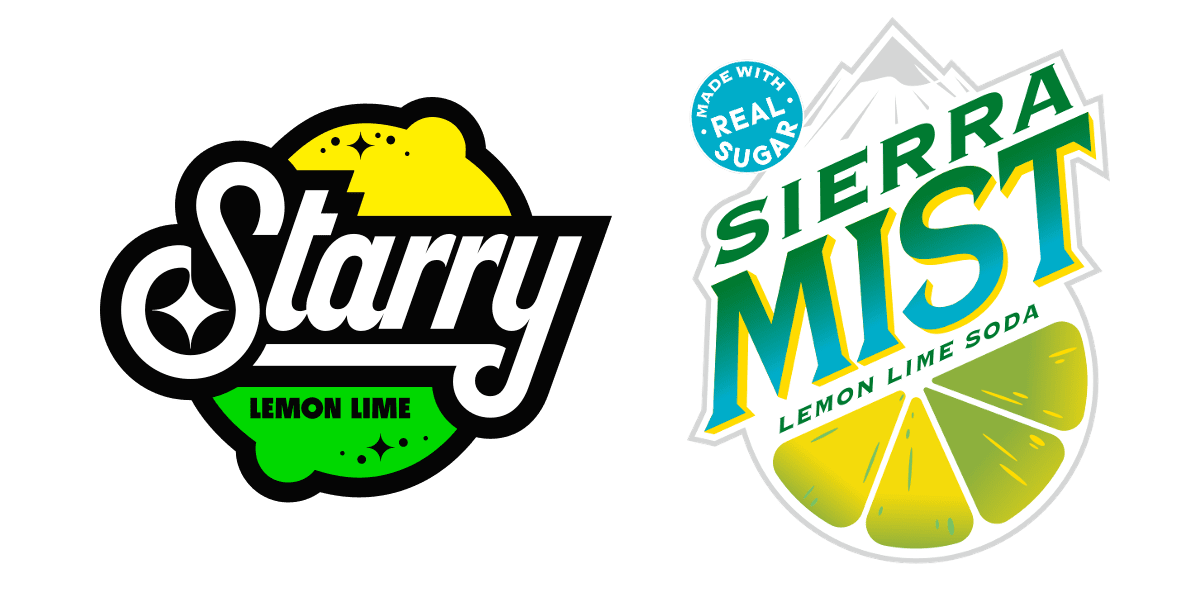
Sierra Mist image: PepsiCo, CC BY-SA 4.0, via Wikimedia Commons
If you have watched any NBA games on television over the last 2 seasons, you may have become aware of commercials for what looks like a new soft drink entering the market called “Starry.” The reality is that PepsiCo Inc. discontinued its 24-year-old brand Sierra Mist which was underperforming in the market and replaced by the new lemon-lime soda which is the company’s latest effort to compete with Sprite. There is a competing story circulating in social media that the real reason for the change had nothing to do with underperforming sales and had to do instead with an intellectual property fight with TikTok content creator, Cierra Mistt. I am not advocating for whose story is accurate but the social media story is a good warning to anyone who is considering developing a unique brand name.
Developing a brand name should be done with a lot of thought in advance. Not only do you want the name to be memorable, catchy and hip but you need to decide whether pursuing this brand name for your product or service is sufficiently unique or is likely to create more problems than it is worth. Before selecting a name, a simple search should be done using a web browser, through the USPTO’s site, and even within social media applications to ensure no one is already using the name. You want to check not only with whether the name is being used in a competing manner but also whether it is being used in a way that may lead to consumers questioning the relationship between that other entity and your company. For instance, a candymaker called “Succulent Sweets” may not want to be surprised to learn that there is an Instagram account, TikTok creator or OnlyFans site using the same name.
Even more important, the bigger issue which business owners need to confront is whether they need to trademark their name. Is it only being used locally? Are expansion plans only within a small geographical area. State registrations protecting the name may be a swifter and more efficient means of protecting the name. If your products or services will be available on a national scale, a federally registered trademark may be the way to go.
Although not horribly expensive to do but often takes time to finally achieve, I ask all my clients why they want to obtain a trademark. An official trademark filed on the principal register provides protections and damages against infringers, but it also has a cost well beyond the filing fees. Owners of marks are required to police for infringers, send cease and desist letters and actively prevent people from infringing to avoid claims that the trademark owner waived rights they may have against alleged infringers who developed their own presence and meaning.
As always, should you need assistance in weighing your options to protect your name and brand, feel free to reach out to RKW’s business attorneys.