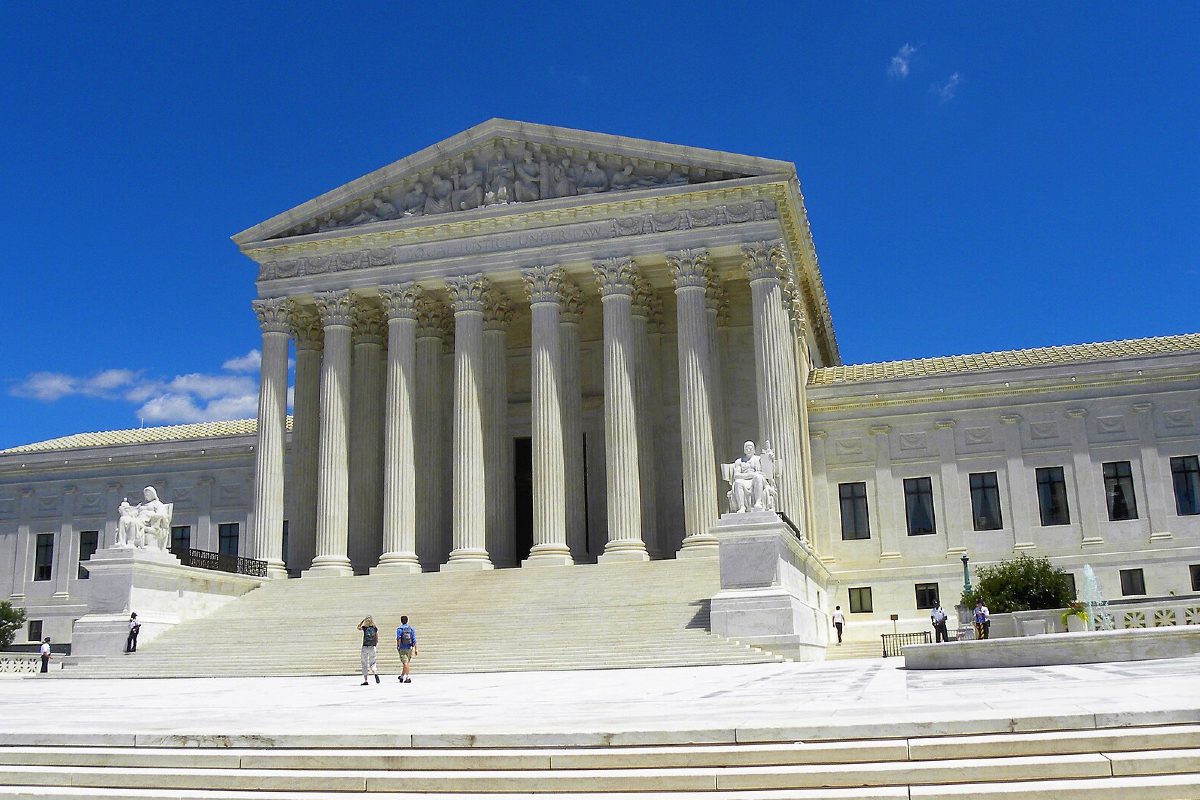
While the potential loss of TikTok for advertising, marketing, and sales may disrupt many businesses, three other pending Supreme Court cases could significantly influence how you operate your business once decided.
1. Ames v. Ohio Department of Youth Services
Marlean Ames sued her employer for discrimination under Title VII of the Civil Rights Act of 1964 after she was demoted by her supervisor, a gay woman, and replaced by a gay man. The lower courts denied Ms. Ames’ claims because she failed to fall into a protected category that usually supports a discrimination claim, e.g., race, color, religion, gender, and national origin. Ms. Ames, a heterosexual woman, must prove that the defendant is that unusual employer who discriminates against the majority to be able to win her case.
If the Supreme Court rules in favor of Ms. Ames, we may see a significant increase in employment discrimination cases from employees in majority groups. This is impactful for employers, as many businesses try to navigate diversity, equity and inclusion, (“DEI”) and affirmative action policies and initiatives. This ruling could also make Title VII claims more nuanced, broadening the criteria for determining whether an employee experienced discrimination.
2. EMD Sales v. Carrera
Three sales representatives sued their employer alleging that they had been misclassified as exempt from overtime pay under the Fair Labor Standards Act (FLSA). The FLSA defines “exempt employees” as employees who, based on the duties performed and the manner of compensation, are exempt from the FLSA minimum wage and overtime provisions. Exempt employees are paid an established monthly or annual salary and are expected to fulfill the duties of their positions regardless of the hours worked.
The Supreme Court must now decide whether the burden of proof that employers must satisfy should be “preponderance of the evidence,” (a lower burden of proof) or “clear and convincing evidence,” (a higher burden). If the Supreme Court rules in favor of the “clear and convincing” standard, then employers with exempt employees will have a greater burden of proof to demonstrate why an employee qualifies as exempt under FLSA guidelines, and courts and the Department of Labor may see an increase in wage and hour claims.
3. Stanley v. City of Sanford, Florida
Karyn Stanley is a retired firefighter with Parkinson’s disease. When she was hired, the City of Sanford Fire Department provided disabled retirees with free health insurance benefits until the age of 65. When they removed the benefit, Ms. Stanley argued that it was discrimination under the Americans with Disabilities Act (ADA).
The Supreme Court now has to decide whether a former employee’s right to sue for discrimination is protected under the ADA post-retirement. The Court’s ruling could potentially affect employees who are close to retirement, and their benefits promised post-retirement. Employers should consider reviewing their employment and post-employment policies periodically to ensure they are in compliance with all ADA guidelines.
If you need help reviewing your business’s policies and practices in the new year or interpreting these Supreme Court decisions, reach out to the attorneys at RKW Law Group.