A few weeks ago, a client called expressing frustration about a remote worker. The worker had not been responding to emails or phonecalls throughout the workday and missed other deadlines. They were at the end of the progressive discipline process with no change in the employee’s behavior. I asked whether they had checked the employee’s emails to see work the employee performed each day. The employer had a policy permitting such monitoring but it had had not yet checked behind the scenes. After checking emails that confirmed the worker was doing no work during the day, the company terminated the employee.
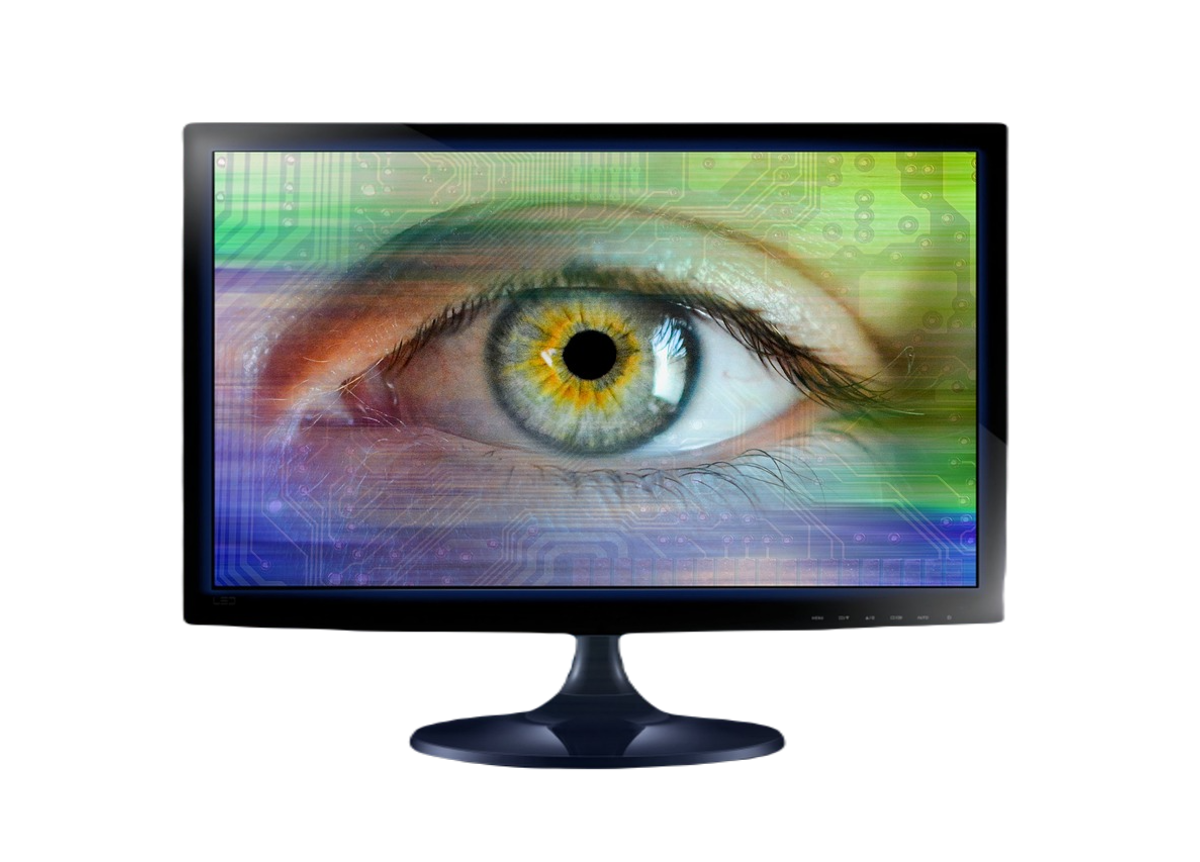
Many employers have handbook policies, legally permitted by most states, informing employees that they can electronically monitor them during the workday. Generally, employees also consent to this as a condition of using their employer’s electronic equipment or when logging into the company’s portal. Other times, the employee agrees to download monitoring software on their personal devices. The purpose of these policies is to ensure that employees are accountable and completing tasks at hand. Software can check to determine whether employees are working during business hours and from where. Monitoring can check almost everything including what time the employee logs on, where they log in from, what internet sites are visited, length of time spent on tasks, and number of keyboard strokes per minute.
However, sometimes companies forget to consider the flipside of such monitoring. Data compiled by the American Psychological Association (“APA”) from its 2023 Work in America Survey found that 56% of workers who are monitored by their employer typically feel tense or stressed out at work. The 2023 Work in America Survey revealed negative psychological outcomes of employees who knew they were being monitored compared to those who were not. Specifically, 32% of employees monitored with technology during the workday felt that their workplaces had a “poor” or “fair” impact on their mental health (as opposed to “good” or “excellent”). Consequently, monitored employees were more likely to have lower commitments to the company and perceive less psychological safety. They were also more likely to perform minimal work and less likely to ask for additional opportunities.
How did we get here?
One word: Trust. Companies monitor employees when there is a decreased level of trustworthiness and employees ascribe a lack of trust and respect to their employer when they are monitored. All of this seems rather counter-productive. So, what’s the solution?
According to Tara Behrend, Ph.D. who was interviewed by Michelle Lerner for her 2023 APA article, if companies plan to monitor their employees, then involving employees in the design of the AI monitoring technology is a good first step. She suggested that employees should be asked what they think is a fair way to measure their performance so that the metrics are useful and employees will accept them when deployed.
Of course, another solution is training managers to use a human touch. When employees can’t chat in person, phone calls and video calls where everyone’s face appears on the screen are second best. Hearing a person’s voice and intonation and seeing facial expressions build better rapport compared to texts, email or slack messages. Of course picking up the phone and having real-time communications can be more time consuming, but it can also be far more effective in getting to know employees personally, mentoring, helping them with assignments, promoting the company’s goodwill, and obtaining buy-in for the overall mission and accomplishments of the company and colleagues.
The bottom line for managers is – trust but verify. Develop a positive rapport with employees at the outset with regular chats, check-ins and social visits. Create a caring and trusting culture and ensure the employees are acknowledged for their contributions. Monitor sparingly, and only if the employee’s actions have warranted otherwise.
For questions about your workplace monitoring policies and practices, contact an RKW employment lawyer.