Within the last few weeks of January, we have seen a variety of executive orders issued from the new Presidential Administration, many of which may have profound effects on business regulations, and in this case, sexual orientation, gender identity and LGBTQ+ claims of discrimination.
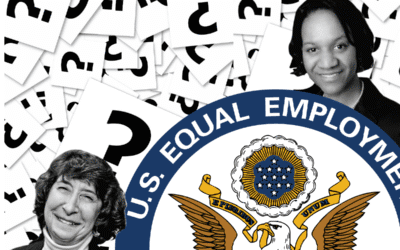
Pursuant to Executive Order 14168, federal agencies are now required to strictly adhere to “two sexes, male and female.” The Order has specifically required that the Equal Employment Opportunity Commission (“EEOC”) remove and rescind its “Enforcement Guidance on Harassment in the Workplace” resource, and any other similar resources. However, the Acting Chair of the EEOC does not have the unilateral authority to rescind such resources due to the recent dismissal of two commissioners, leaving the EEOC with a lack of quorum to vote on recission of such guidance. Currently, the documents remain available on the EEOC website.
The implications of Executive Order 14168 bring uncertainty to pending EEOC claims based on sexual orientation and gender identity. While the EEOC cannot outright deny pending claims based on these ideologies, a recent press release from the Acting Chair, Andrea Lucas, leans toward the possibility of rescinding these resources entirely, once able, thereby affecting an employee’s right to bring those claims. However, until the resources are actually rescinded, Acting Chair Lucas has directed that all charges that implicate Executive Order 14168 be elevated for review at EEOC headquarters.
As of now, employers should continue to comply with federal laws such as Title VII policies, and the Supreme Court’s decision in the 2020 case, Bostock v. Clayton County. In that case, the Supreme Court held that Title VII protects workers from discrimination based on sexual orientation and gender identity after an employer fired an individual for being gay or transgender. For now, the EEOC must also still comply with the holding in Bostock, and must continue issuing a “Notice of the Right to Sue” where it is warranted based on the Supreme Court’s ruling.
Some states may have their own laws and guidance resources protecting sexual orientation and gender identity. For example, state laws in Maryland, Virginia, the District of Columbia, and New Jersey, prohibit discrimination based on sexual orientation and gender identity.
If you need assistance navigating state or federal employment discrimination laws to ensure that your business and employees are adequately protected, contact the attorneys at RKW Law Group today.